
Commercial Construction
Layout teams and installers need tough grip, broad adjustment, and quick identification between rough-in and punch-list work.
Overview
Industry use is organized by the hand tasks crews repeat every day: gripping, cutting, turning, holding, and adjusting hardware in demanding field and shop conditions.
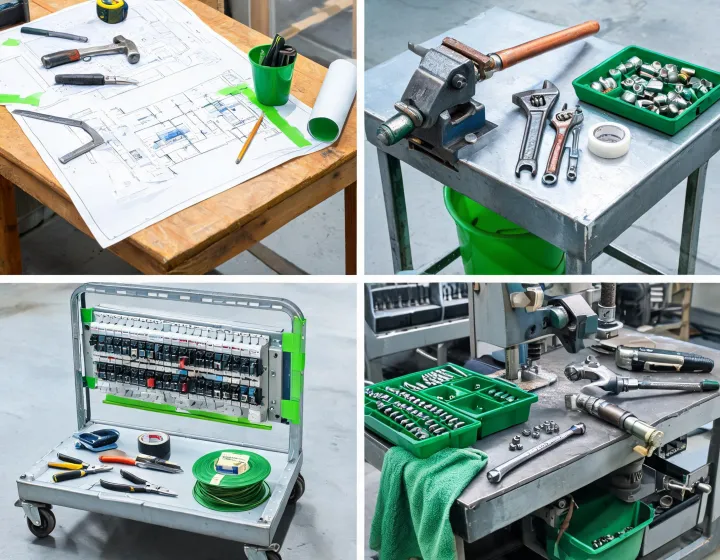
Construction, maintenance, and MRO
Channellock industry guidance starts with how a tool is held and what it must control. A maintenance crew replacing mixed fasteners, a plumbing team turning fittings, and an electrical contractor cutting wire all need different hand tool cues even when the product family looks similar at a distance.
Layout teams and installers need tough grip, broad adjustment, and quick identification between rough-in and punch-list work.
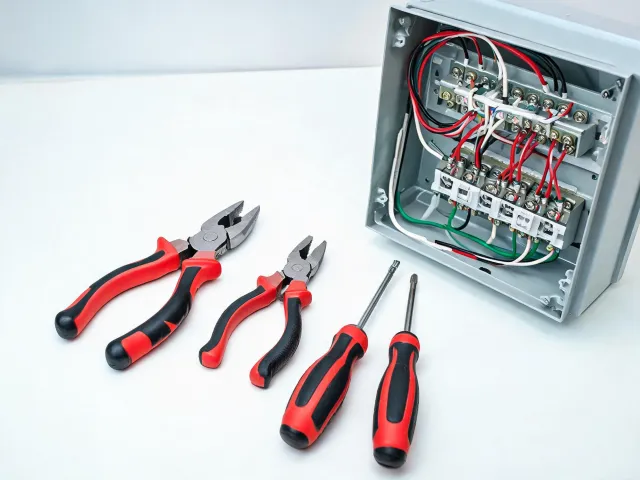
Cutting edges, long-nose reach, and handle control support panel work, device installation, and repair calls.
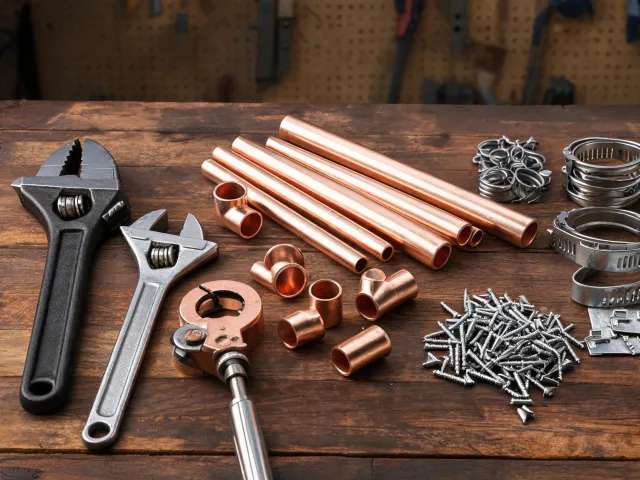
Jaw capacity, pipe grip, and compact access determine whether a tool belongs on the truck or stays in the shop.
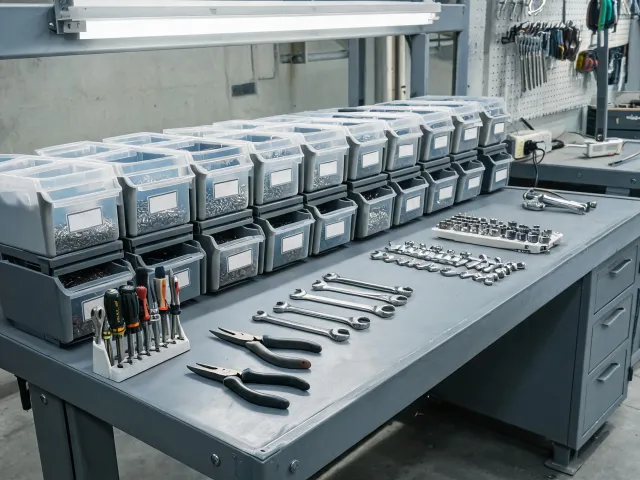
Standardized tool families help maintenance teams reduce substitutions and document replacement decisions across shifts.
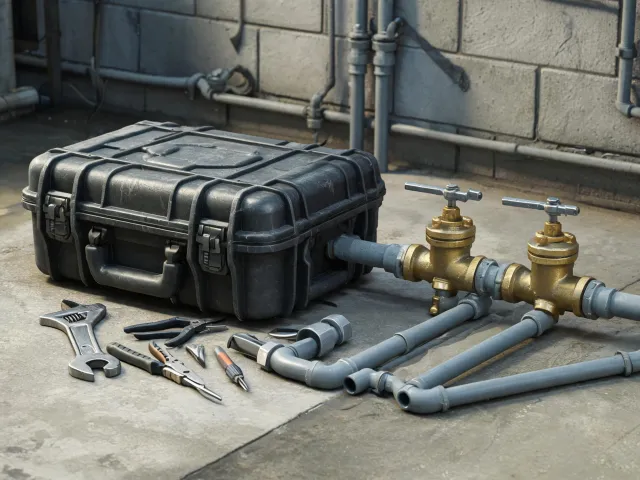
Crews benefit from field-ready identification, durable finish choices, and support notes that travel with the tool kit.
Application fit matrix
This matrix gives procurement and tool-room teams a compact way to decide which product families deserve review. It is not a replacement for a full catalog; it is a practical first pass that connects trade context to tool behavior.
| Trade Need | Primary Tool Behavior | Channellock Family Cue |
|---|---|---|
| Round stock and fittings | Secure bite without constant readjustment. | Tongue and groove pliers, pump pliers, specialty jaws. |
| Wire and cable preparation | Clean cut, reach, and comfortable repeat handling. | Diagonal cutters, long-nose pliers, lineman-style pliers. |
| Mixed fastener service | Open-jaw access, visible scale, and reliable torque feel. | Adjustable wrenches, socket-related hand tool sets. |
| Assembly and panel work | Tip control, handle indexing, and organized driver sizes. | Screwdrivers, nut drivers, and compact driver kits. |
Industry RFQ
Use the request form to describe the trade, tool family, quantity, distributor question, or documentation need. The strongest RFQs include the material being handled, the access constraint, and the current tool issue, because those details change the recommendation more than a generic product name does.
For multi-location teams, note whether the request supports a counter assortment, a truck standard, a maintenance crib, or a training kit. That context helps Channellock keep the response focused on use, replacement planning, and clean internal communication.
Trade fit review
Bring the tasks that create the most returns, substitutions, or counter questions. We will help sort them into a practical hand tool selection path.